
Late Blight in Potatoes
Overview
Late blight is a highly destructive disease of potatoes and tomatoes in the Prairies. Under favourable weather conditions, it can destroy entire potato fields within days if not managed.
Despite its name, late blight can infect both foliage and tubers at any stage of crop development, including in the field, at harvest and in storage.
Host crops
- Potato
- Tomato
Conditions that favour late blight
Late blight develops and spreads rapidly under cool to warm, wet conditions.
Risk is highest when there is:
- Frequent rainfall
- Heavy dew or fog
- Prolonged leaf wetness
- High relative humidity
- Overhead or night‑time irrigation
Spores are spread mainly by wind and rain. Free moisture from rain, dew or irrigation is required for spores to germinate and infect plant tissue.
Once established, late blight can complete multiple disease cycles in a single growing season, leading to rapid spread.
How to recognize late blight
Early symptoms on foliage
- Small, light to dark green, water‑soaked spots
- Circular to irregular in shape
- Often begin near leaf tips or edges where moisture remains longest
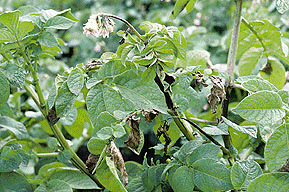
Advanced symptoms on foliage
- Lesions expand rapidly during cool, moist weather
- Dark brown to black lesions that may appear greasy
- Lesions are not limited by leaf veins
- Entire leaves can blight and die within a few days
- Infection may spread down leaf petioles and stems
Under humid conditions, a white, mildew‑like growth may appear on the underside of leaves, especially early in the morning. This feature helps distinguish late blight from other foliar diseases.
Severely affected plants often produce a distinctive odour caused by rapid breakdown of leaf tissue.
Late blight on tubers
Tubers may become infected:
- In the field when spores are washed into the soil
- During harvest through contact with spores
- In storage from infected tubers
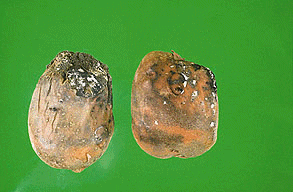
Tuber symptoms
- Irregular, slightly depressed areas on the skin
- Skin may appear brown to purplish
- Cutting below the skin reveals dark reddish‑brown, dry, corky or granular rot
Rot usually extends less than 12 mm (½ inch) into the tuber. The margin between healthy and diseased tissue is not distinct and may show finger‑like extensions into healthy flesh. Infected tubers are more susceptible to serious storage rots.
Scouting for late blight
Focus scouting on areas most likely to remain wet or humid, such as:
- Low‑lying areas
- Areas shaded by windbreaks
- Areas difficult to access with sprayer equipment
Increase scouting frequency when weather conditions favour disease development.
Weather‑based disease forecasting tools can help predict periods of increased risk and guide fungicide timing.
When is fungicide protection needed?
There is no economic threshold for late blight. Management is preventive rather than reactive.
Fungicide programs usually begin when:
- Potato plants are 15–30 cm (6–12 inches) tall, or
- Weather‑based forecasting models indicate a high risk of infection
Fungicides are most effective when:
- Applied before infection occurs
- Complete coverage is achieved, especially as the canopy closes
- Applications continue as needed throughout the growing season
If late blight is present in a field, use a combination of protectant and systemic fungicides.
Rotate fungicide modes of action to reduce the risk of fungicide resistance. Always consult the provincial Guide to Crop Protection for currently registered products and recommendations.
Preventing and managing late blight
Effective control requires an integrated disease management approach.
Key practices include:
- Plant only healthy, disease‑free seed tubers
- Destroy cull piles and volunteer potatoes
- Avoid frequent or night‑time irrigation
- Hill potatoes properly to reduce tuber infection
- Rotate crops
- Kill vines and wait at least 2 weeks before harvest
- Harvest only when tubers are dry
- Store only clean, dry tubers under proper conditions
Related Manitoba information
- Crop protection guide
- Late blight alerts and seasonal risk updates
- Disease forecasting tools
- Late blight on tomato and potato
For further information, contact an AGR/MASC Service Centre